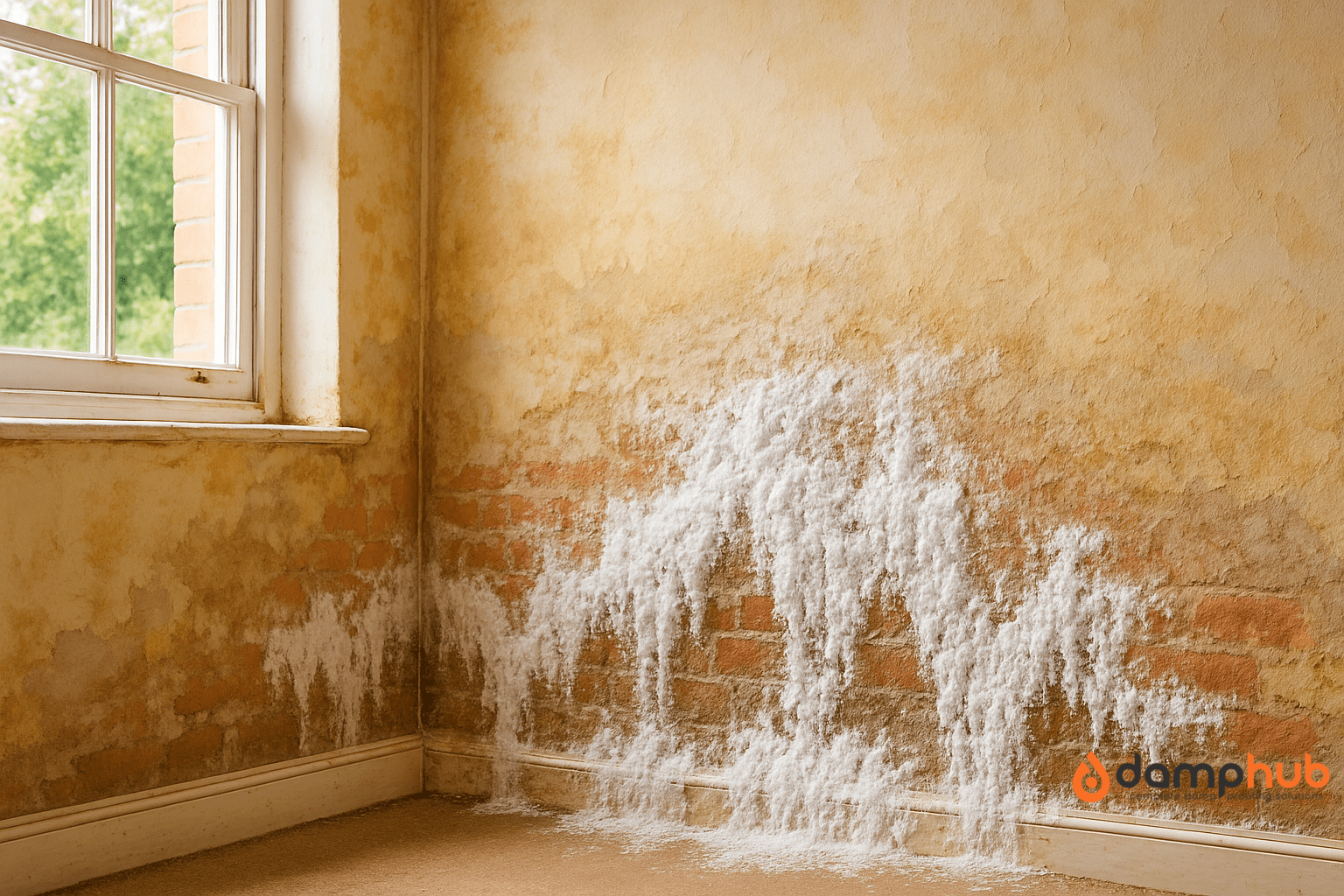
Noticed peeling paint, crumbling plaster, or a musty smell in your home?
These could be signs of rising damp—a hidden menace that can damage your property and your health.
But how much does it cost to fix?
In this guide, we break down the factors affecting rising damp treatment costs so you know what to expect before calling in the experts.
Factors Affecting Rising Damp Treatment Costs
Several factors influence the cost of treating rising damp in a property. Let’s break them down one by one:
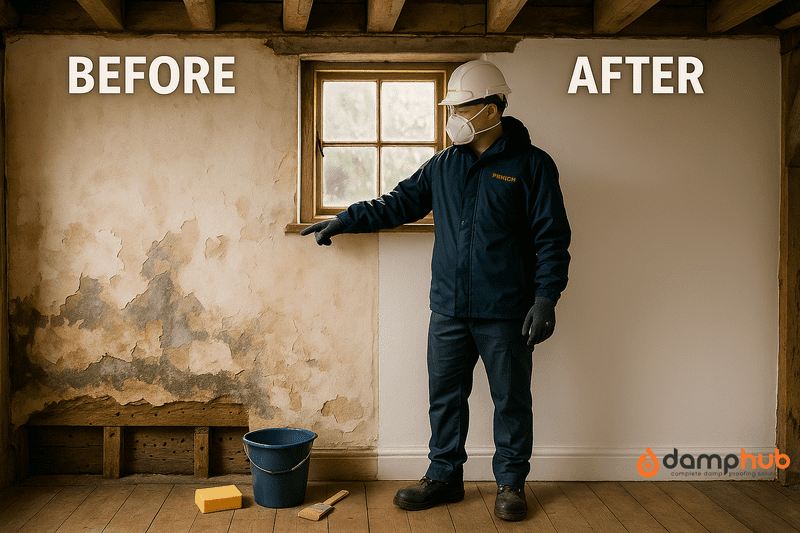
1. Property Size and Complexity
The bigger the affected area, the more materials and labour will be needed, increasing the cost.
- Treating damp in a small bedroom wall will cost less than treating the entire ground floor of a house.
- If the house has multiple storeys or complex structures, it may require extra effort and equipment, leading to higher costs.
👉 Related Blog: What Does Rising Damp Look Like?
2. Severity of Damp
The extent of the damp damage plays a big role in determining the cost.
- Light damp: Minor patches with slight moisture. Treatment is usually quick and inexpensive.
- Moderate damp: May have peeling paint, a damp smell, and some mould. Requires more work.
- Severe damp: This can cause structural damage, wood rot, and serious mould issues, leading to expensive repairs.
3. Type of Treatment Required
Different methods are used depending on the severity and structure of the building.
- Chemical Injection Method: Special damp-proof chemicals are injected into walls to stop moisture from rising.
- Example: Used for brick houses where drilling small holes for injection is feasible.
- Physical Damp-Proofing Membrane: A waterproof barrier is installed to prevent moisture from moving up the walls.
- Example: Often used in new constructions or major renovations.
- Electrical or Electro-Osmotic Systems: Uses a weak electric charge to push water down and stop it from rising.
4. Accessibility
If the affected area is hard to reach, treatment costs may go up.
- Example: Treating damp on a ground-level wall with clear access will be cheaper than fixing damp in a narrow basement or behind built-in furniture.
- If floors or walls need to be removed or altered, labour costs will increase.
👉 Related Blog: How to Treat Rising Damp: A Complete Guide for UK Homeowners
Cost Range Estimates Explained
When estimating the cost of a service, it helps to look at two things:
- The type of property – Different homes have different sizes and structures, which affect the cost.
- The area being treated – Many services charge per square meter, so the total cost depends on the size of the area.
1. Average Price Range for Different Types of Properties
Different homes come in various sizes, so costs will vary.
Here’s a simple breakdown:
- Terraced house (smaller homes, often attached to others on both sides)
Example: If treating damp in a terraced house costs £1,500 – £3,000, this is because it typically has fewer walls and a smaller area to cover. - Semi-detached house (one side attached, the other detached)
Example: A semi-detached home may cost around £2,500 – £4,500 because it has more exterior walls to treat. - Larger homes (detached houses or big properties)
Example: A large detached home might cost £4,000 – £8,000, depending on how much work is needed.
2. Approximate Treatment Costs Per Square Meter
Many services charge based on the area being treated. This makes it easier to estimate costs.
- For example:
- Damp treatment might cost £50 – £100 per square meter
- Mould removal could be £20 – £50 per square meter
- Wall insulation repair could cost £80 – £150 per square meter
So, if a homeowner needs damp treatment for a 20-square-meter area, and the rate is £75 per square meter, the total would be:
🔹 20 × £75 = £1,500
This method helps customers estimate their costs based on how much space needs treatment.
5. Why Costs Vary
The cost of a service or product can differ based on several factors.
Here’s why:
1. Influence of Location (Regional Differences in Pricing)
Prices vary from place to place. Some areas have a higher cost of living, which affects service rates.
Also, transportation and availability of materials can impact costs.
Example:
Getting an air conditioner installed in Sydney might cost more than in a rural town because labour and materials are more expensive in the city.
2. Availability and Choice of Materials or Technologies Used
The type of materials or technology used in a service affects pricing. Higher-quality or newer technology usually costs more.
Also, if certain materials are harder to find in a region, they may be priced higher.
Example:
A heat pump hot water system with advanced energy-saving features will cost more than a basic one.
Similarly, if a specific brand is rare in your area, it may be more expensive.
3. Experience and Qualifications of the Service Provider
Professionals with more experience or special certifications often charge higher fees for their expertise. Less experienced providers may offer lower prices but might not deliver the same quality of service.
Example:
An experienced mould removal specialist with certifications and years of work in the field will charge more than a beginner offering the same service.
These factors all contribute to why prices are not the same everywhere or for everyone.
👉 Related Blog: How to Cure Rising Damp in an Old House
DIY vs Professional Treatment
When it comes to mould removal, you have two options: doing it yourself (DIY) or hiring professionals. Let’s break it down to help you decide which is best for you.
1. Cost Comparison: DIY vs. Professional Help
- DIY Costs:
- Cleaning products (vinegar, baking soda, hydrogen peroxide) – $10–$30
- Protective gear (gloves, masks, goggles) – $20–$50
- Tools (scrub brushes, sponges, spray bottles) – $10–$40
- Total: Around $40–$120
- Professional Costs:
- Depends on the size and severity of the mould problem
- Small area (e.g., bathroom mould) – $200–$500
- Larger infestations (e.g., entire wall or ceiling) – $1,000+
- Severe cases (structural damage, deep-rooted mould) – $3,000+
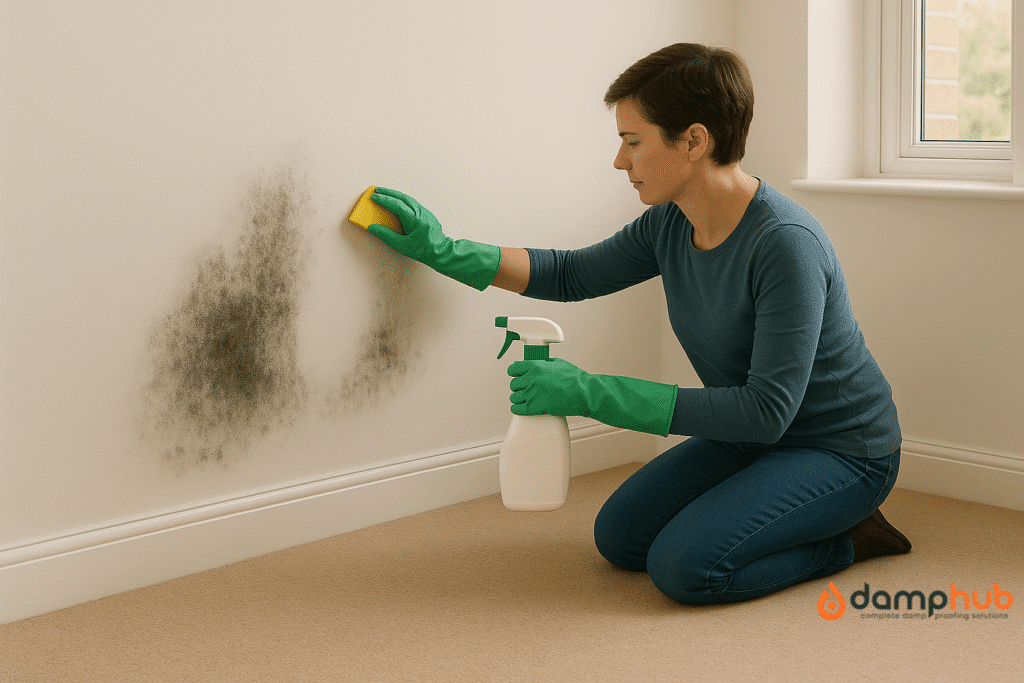
2. Risks of DIY Approaches & Hidden Costs
While DIY may seem cheaper at first, it can put you at risk of facing the following dangers of rising damp:
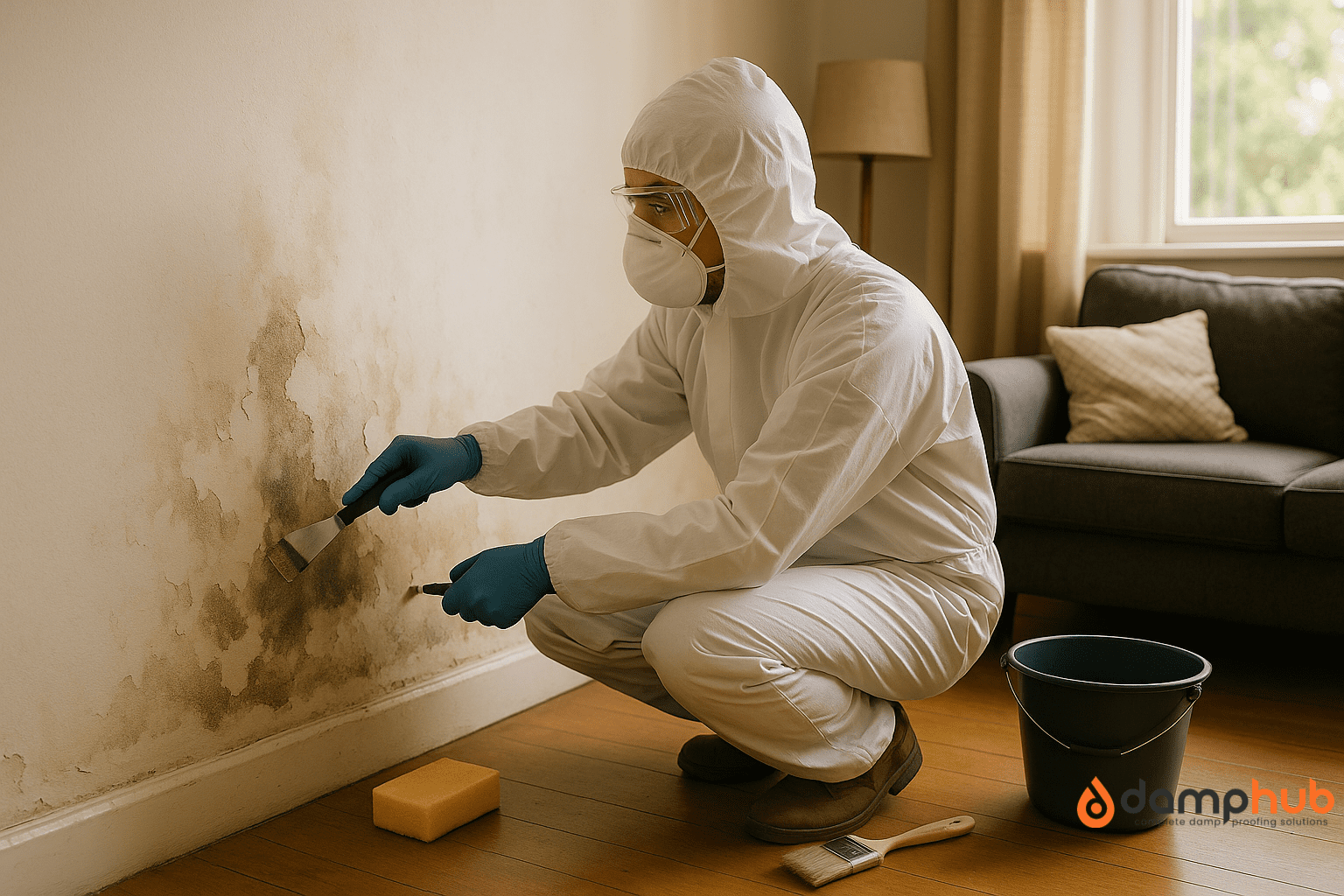
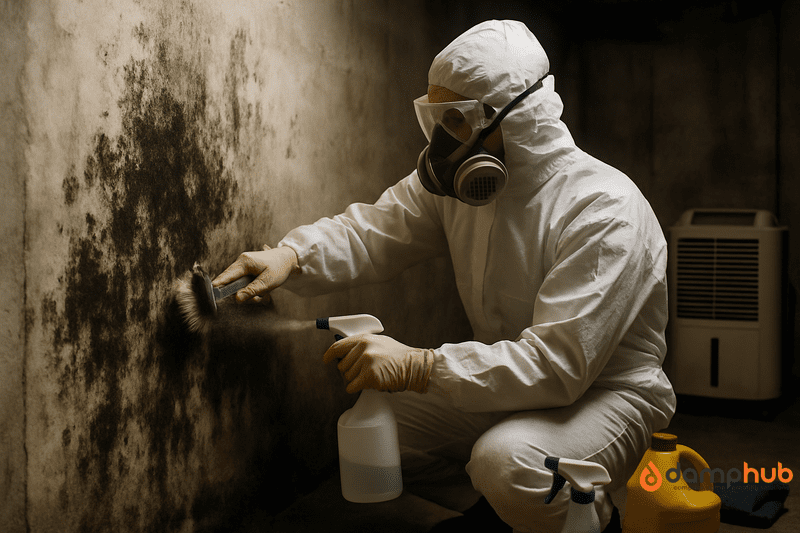
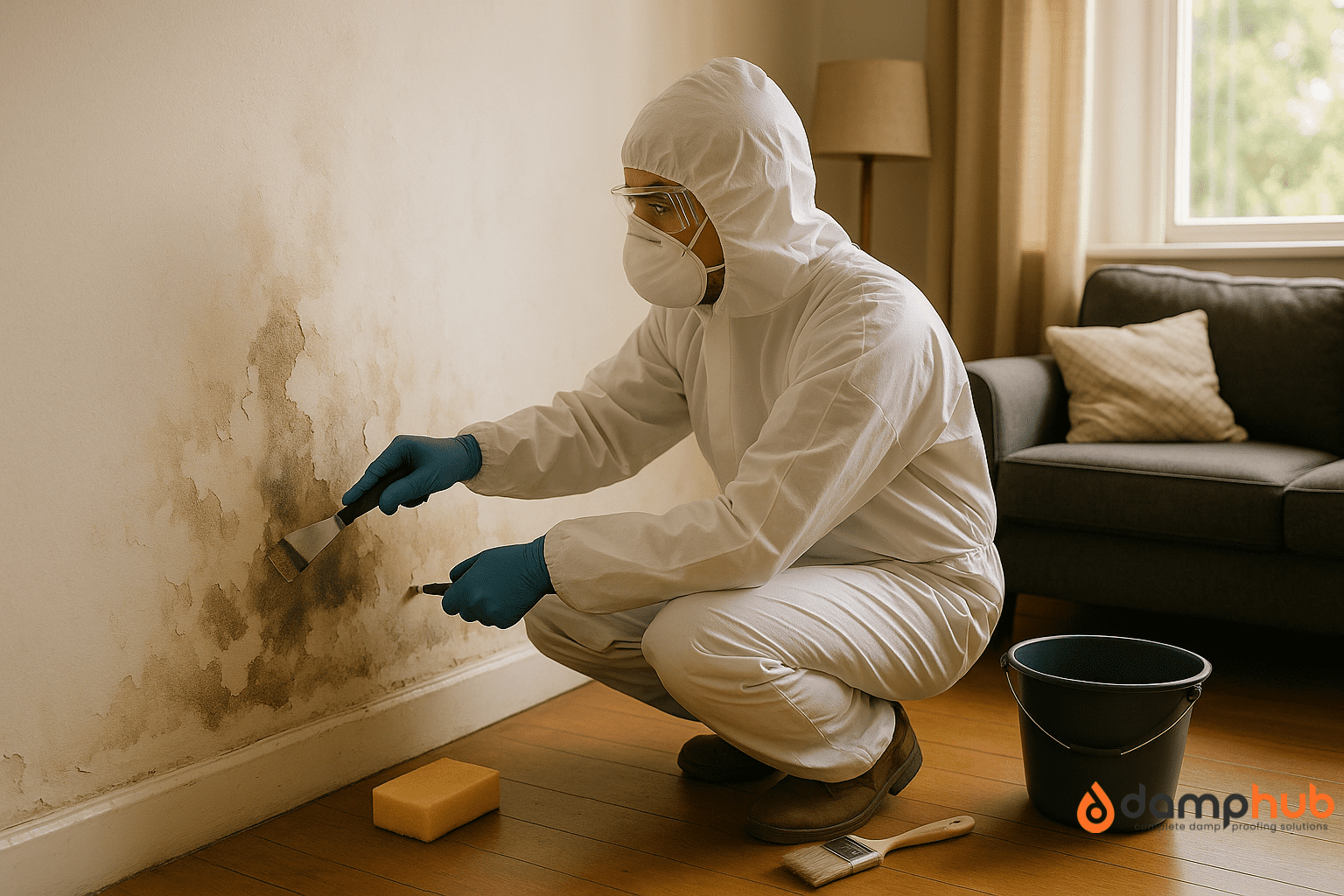
- Health Hazards: If you don’t wear proper protection, exposure to mould spores can cause allergies, respiratory issues, and skin irritation.
- Ineffective Removal: You might clean the surface, but if the root cause (moisture, leaks) isn’t fixed, the mould will return quickly.
- Hidden Structural Damage: Mould can grow inside walls, under carpets, and in air ducts. Without professional inspection, you may not realise the full extent of the damage.
- Potential Long-Term Costs: If mould spreads or causes damage to walls, floors, or insulation, repairs can become far more expensive than hiring a professional in the first place.
👉 Related Blog: How to Remove Damp from Walls: The Ultimate Guide
Which One Should You Choose?
- Go for DIY if it’s a small mould patch, like on tiles, window sills, or bathroom walls.
- Hire a professional if the mould covers a large area, has a strong musty smell, or keeps returning.
FAQs
What is the root cause of rising damp?
Rising damp happens when moisture from the ground moves up into the walls of a building.
This usually happens because the wall doesn’t have a damp-proof course (DPC), or the DPC has broken down over time.
The moisture travels through tiny holes in bricks or mortar, and it carries salts that can damage plaster and paint.
How do you fix rising damp DIY?
To fix rising damp yourself, follow these steps:
Step 1: Remove old, damaged plaster up to about one metre high.
Step 2: Drill small holes along the base of the wall, usually about 10–12 cm apart.
Step 3: Inject a special damp-proof cream into the holes. This cream creates a barrier that stops water from rising.
Step 4: Allow the wall to dry fully. This can take several weeks.
Step 5: Replaster the wall with damp-resistant plaster.
Note: This method works for small or early-stage damp. If the problem is widespread or structural, it’s best to call a professional.
What is the difference between penetrating damp and rising damp?
Rising damp starts from the ground and moves up through the wall by soaking into bricks or mortar. It’s usually seen near the bottom of walls.
Penetrating damp comes from water getting into the wall from the outside. It can be caused by broken gutters, roof leaks, or cracks. This type of damp can appear at any height on the wall.
How to test for rising damp?
The most reliable way is to use a moisture meter.
Press the device against the wall, starting from the bottom and going upward.
If the readings are high at the bottom and slowly reduce higher up, this suggests rising damp.
You can also check for signs like peeling paint, salt marks, or damp patches near the floor. A professional surveyor can confirm the diagnosis.
How to test for rising damp?
This is a simple test to check what type of damp you have:
Tape a square of aluminium foil (about 30cm x 30cm) tightly to the damp wall.
Leave it for 24 hours.
After removing it:
If the side facing the room is wet, it’s condensation.
If the side touching the wall is wet, the problem is likely penetrating damp or rising damp.
What is the purpose of a damp-proof membrane?
A damp-proof membrane (DPM) is a thick plastic sheet used to block moisture.
It’s mostly installed under concrete floors or behind walls to stop water from the ground from entering the building.
It acts like a waterproof barrier between the structure and the soil.
What is the difference between DPC and DPM?
DPC (Damp-Proof Course): A horizontal barrier (like a cream, plastic strip, or slate layer) placed in walls near ground level to stop water from rising through the bricks.
DPM (Damp-Proof Membrane): A plastic sheet laid under floors or behind walls to stop moisture coming through from below or behind.
In short: DPC = for walls, DPM = for flo
What needs to be done before waterproofing?
Before applying any waterproofing system:
Clean the surface – remove dust, dirt, and loose material.
Remove old paint or coatings – these can stop the waterproof layer from sticking properly.
Fix cracks or holes – fill gaps so water can’t sneak through.
Let the area dry – damp or wet surfaces will reduce the effectiveness of waterproofing products.
Check for existing damp issues – it’s important to fix the cause before sealing it up.
What is the process for installing a waterproof membrane?
Here’s a basic process for applying a waterproof membrane:
Prepare the surface – clean, dry, and repair any damage.
Apply primer – some membranes need a primer to help them stick.
Install the membrane – this might be a roll-on liquid, sheet membrane, or self-adhesive material.
Seal edges and joints – use tape or special sealant to stop leaks.
Let it cure or dry fully – follow the product instructions.
Apply finishes – once dry, you can add plaster, tiles, or flooring over it.