Seeing damp in your home can be unsettling. It rarely appears all at once. At first, you might notice a faint smell. Later, a dark mark shows up on the wall. Paint may start lifting for no clear reason.
That is usually when worry kicks in and you are left asking yourlself ‘Who Do I Call for Damp in the House? You want to fix it, but you are unsure who to contact. Many people guess. Some guess wrong.
That often leads to wasted money and slow results. Damp problems need the right professional. Calling the correct person early makes a real difference.
You may find ourr other guide helpful: What Is the Best Method of Damp Proofing?
Who Do I Call for Damp in the House when the Cause Is Unclear
If you cannot work out where the damp is coming from, contact a damp surveyor first.
This step removes guesswork.
A surveyor looks for causes, not repair jobs. That distinction matters. They inspect walls, floors, ceilings, and airflow. Outside areas are also checked, including brickwork and drainage.
Moisture readings are taken using specialist tools. These readings help trace the source of water. After the visit, you receive a report.
It explains what is happening in plain language. This report guides the next step. It also helps avoid paying for work that does not solve the issue.
Who Do I Call for Damp in the House Linked to Leaking Pipes or Water Systems
If damp appears near bathrooms or kitchens, a plumber should be your first call. Leaks are often the cause. Pipes behind walls can drip slowly.
Joints may loosen over time. Seals can fail without warning. Damp from leaks often spreads outward. The smell tends to linger. A plumber can locate hidden leaks and repair damaged sections.
Early repairs limit damage. If the damp remains after plumbing work, another issue may exist. At that point, further checks are needed.
Who Do I Call for Damp in the House Coming Through External Walls or Roof Areas
When water enters from outside, a builder is usually required. This points to penetrating damp. Cracks in the walls allow rain to pass through. Loose roof tiles do the same.
Blocked gutters push water where it should not go.
Downpipes can overflow and soak walls. Damp patches often darken after rainfall. Their location may change with the weather.
A builder can repair these faults. Brickwork can be sealed. Roofs can be fixed. Stopping water entry is essential.
Without this step, damp keeps returning.
Who Do I Call for Damp in the House Near Floors and Skirting Boards
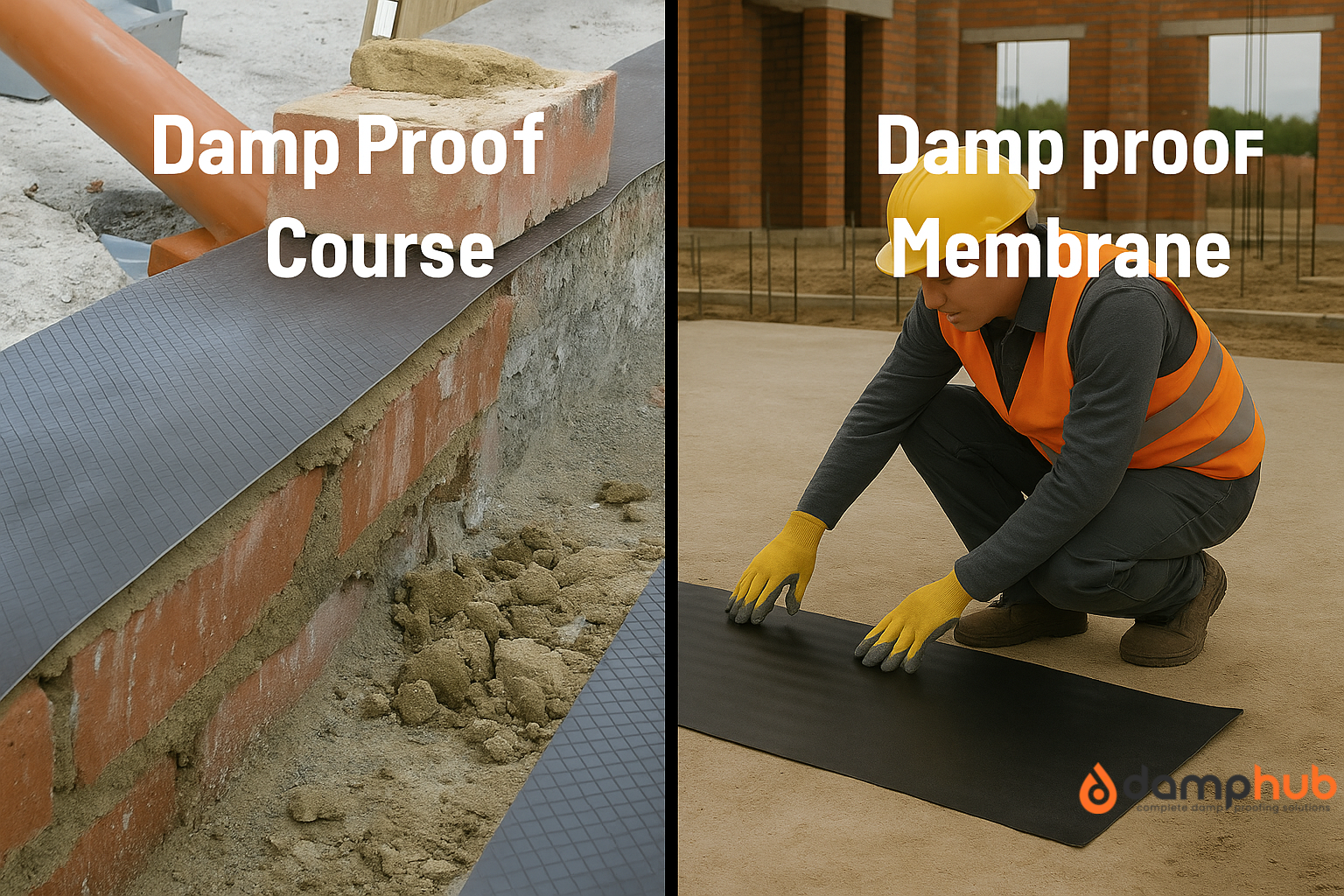
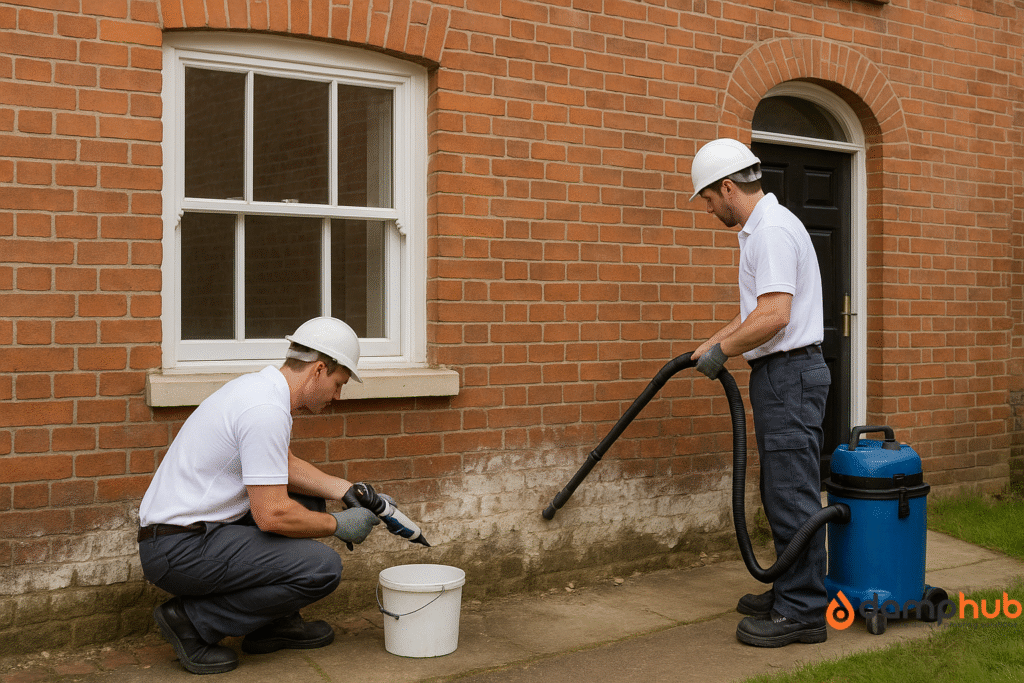
Rising damp needs a damp-proofing specialist. This is not a surface issue. Moisture rises from the ground into the walls. Older homes face this problem more often.
Signs usually start low. Stains near the floor are common. Paint peels close to the skirting boards. Plaster may crumble. White marks can appear on walls.
These are salt deposits left behind by moisture. A specialist checks the damp-proof course. If it has failed, treatment is required.
Solutions may include chemical barriers or new damp-proof layers. Damaged plaster is usually replaced afterwards. Short fixes do not work here. Proper treatment matters.
You may also want to read our other helpful guide: Damp Proofing Advice for Homeowners
Who Do I Call for Damp in the House Caused by Condensation
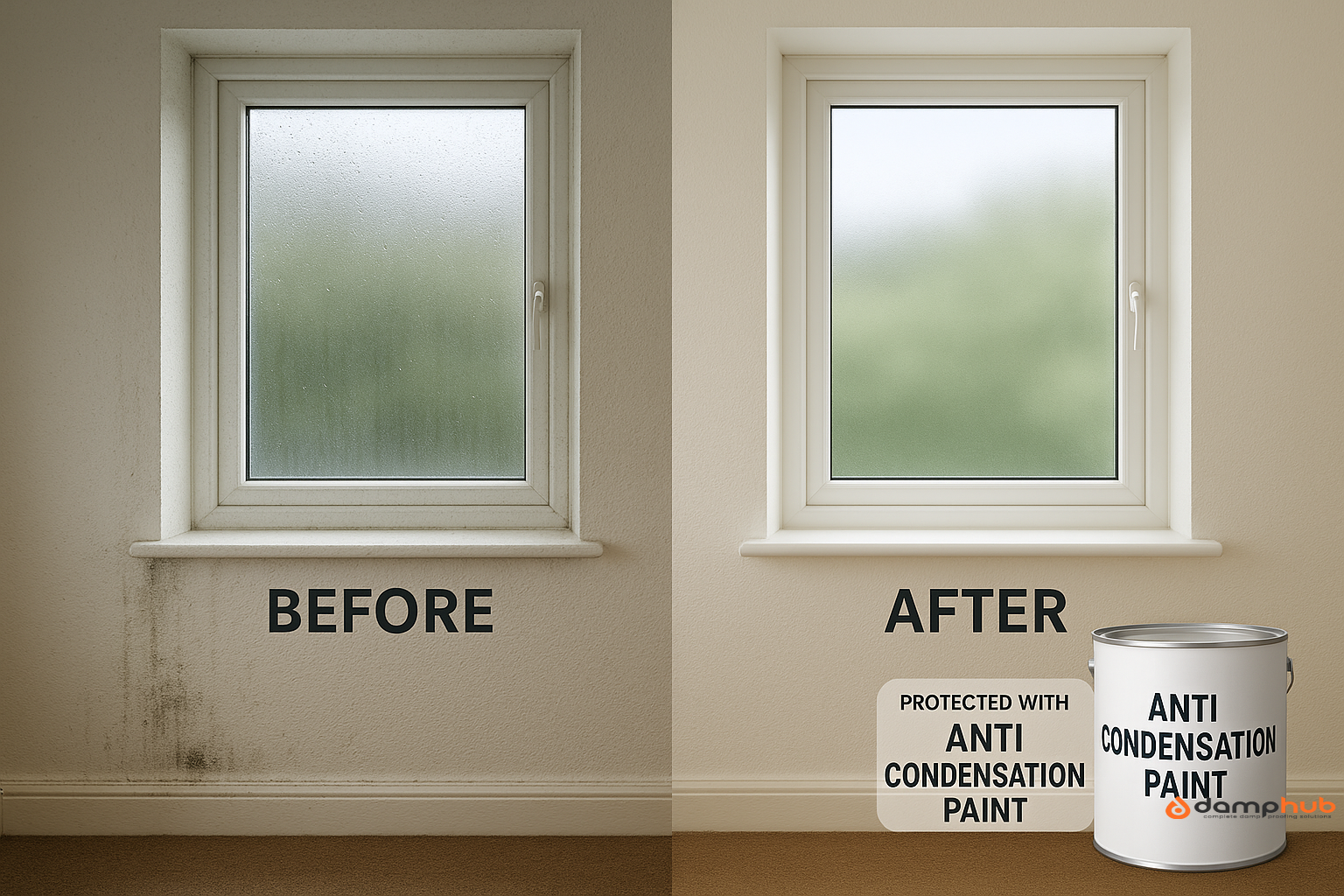
If damp shows up mainly in bathrooms or bedrooms, poor airflow may be the cause. In this case, a ventilation specialist is the right choice.
Warm air holds moisture. Cold surfaces release it as water droplets. Cooking, showering, and sleeping all add moisture to the air. Without airflow, it builds up.
A ventilation specialist assesses air movement. They may suggest extractor fans or airflow adjustments. Heating patterns may also need changes.
Sometimes small tweaks help more than expected. Dehumidifiers can reduce moisture. They work best alongside improved airflow.
Who Do I Call for Damp in the House That Keeps Coming Back
Repeated damp usually means something was missed.
This happens more often than people expect. In these cases, contact a damp surveyor again.
A fresh assessment can reveal hidden problems. Sometimes more than one issue exists. A leak combined with poor ventilation is common. Identifying all causes at once saves time. It also reduces frustration.
Who Do I Call for Damp in the House if You Rent
If you rent your home, damp repairs are usually the landlord’s duty. This includes mould, leaks, and structural damp . Health risks should not be ignored. Children and people with breathing issues are affected first.
Report the problem in writing. Photos help support your case. Ventilating the home is still important. However, serious damp must be repaired by the landlord.
More to read frrom us: How Does Damp Proofing Work: DPC, Membranes, Coatings and More
Who Do I Call for Damp in the House if the Landlord Does Nothing
If you have damp in a rented house and repairs are ignored, contact the local council. They can help protect tenants. An environmental health officer may inspect the property. They decide if it is safe to live in.
They can arrange a visit to inspect the property . The officer checks whether the home is safe to live in. If the conditions are poor, the landlord can be ordered to act. If the issue continues, follow up in writing.
Written complaints create a clear record of events. You can also ask for guidance from tenant advice services. They explain your rights in simple terms. In some cases, temporary repairs may be arranged.
This happens when health risks are present. This usually applies when mould or moisture is severe. Keep all records and photos ready. These help speed up the process.
Who You Should Avoid Calling First for Damp
Many people call a painter first because the damage is visible. Paint only covers the marks and does nothing to remove moisture. General handymen may offer quick fixes that seem affordable.
Most of these fixes only hide the problem for a short time . Decorators focus on appearance, not causes. Once the damp returns, the damage often looks worse than before.
Handymen may offer quick fixes. These rarely last. Getting the right expert first avoids repeat costs. Avoid anyone who skips inspection and jumps straight to repairs.
Is damp giving you trouble? You may explore exxpert help here: 10 Best Damp Proofing Manchester Companies You Can Trust

Conclusion
Damp problems cause stress. They also cause damage when ignored. Each type of damp has a specific cause. Each cause needs a specific professional.
Plumbers handle leaks .Builders fix external entry points. Ventilation specialists improve airflow. Damp-proofing experts treat rising damp.
Surveyors identify the full picture. Early action protects your home. It also protects your health. Whether you rent or own, the goal is simple. A dry and safe place to live.