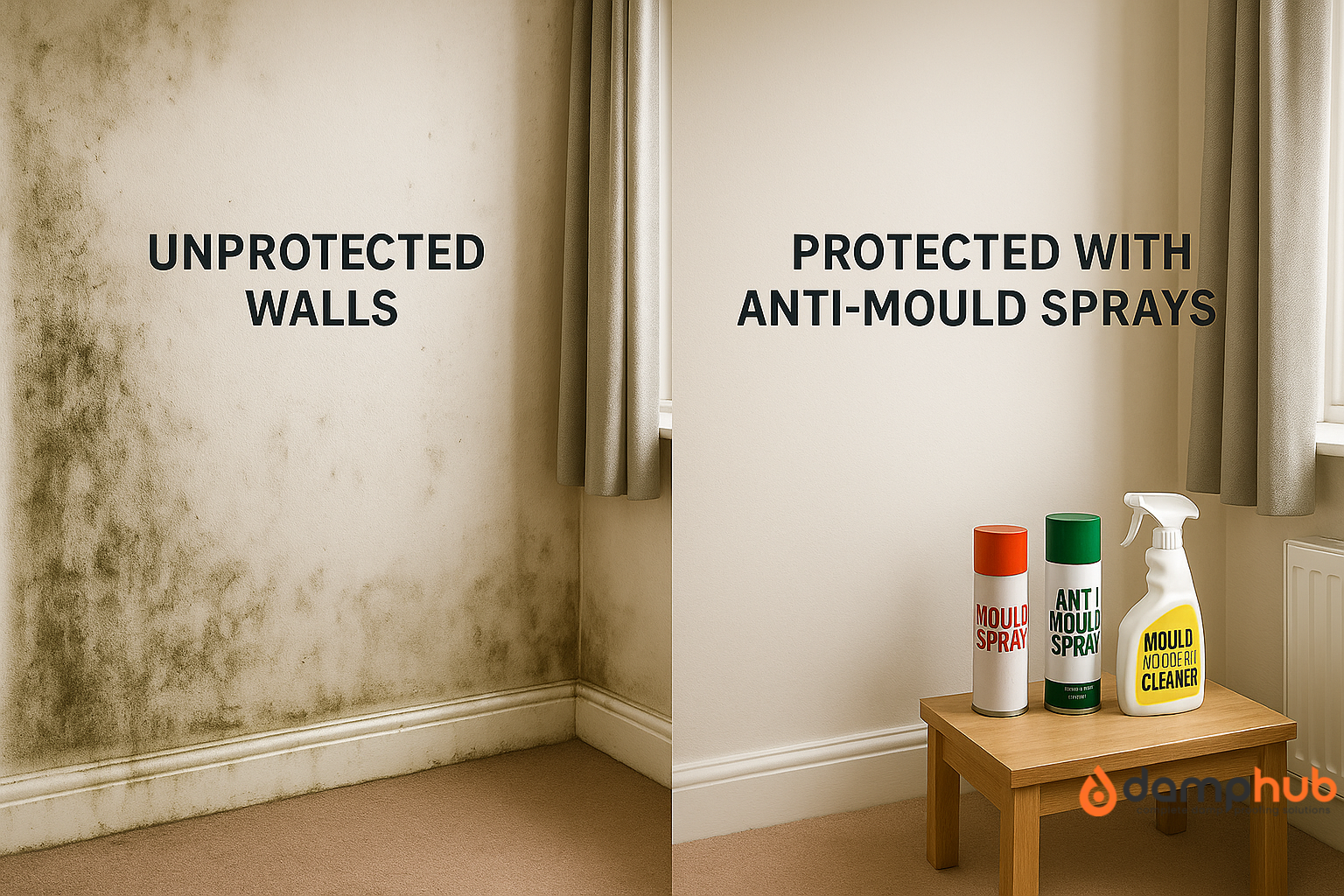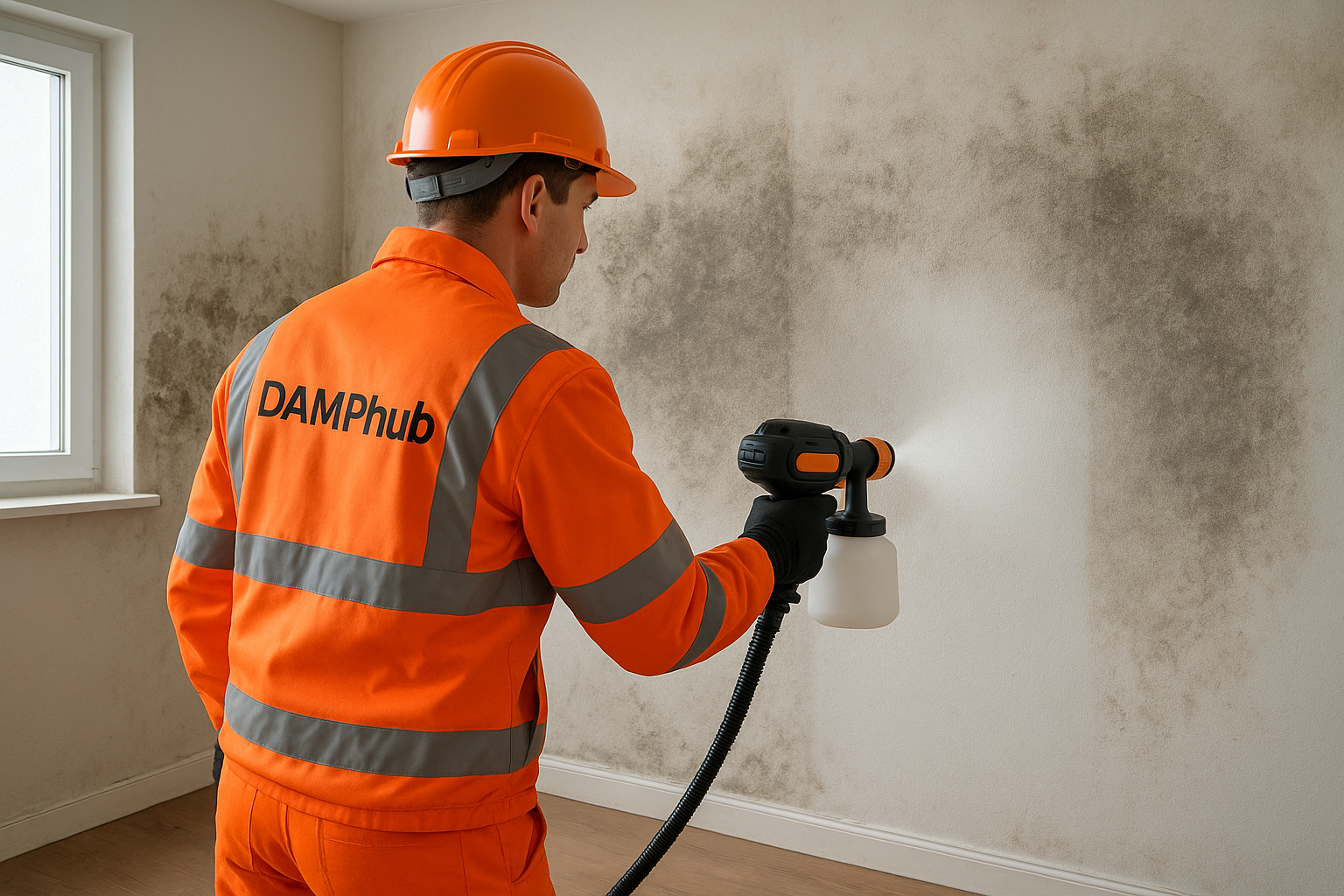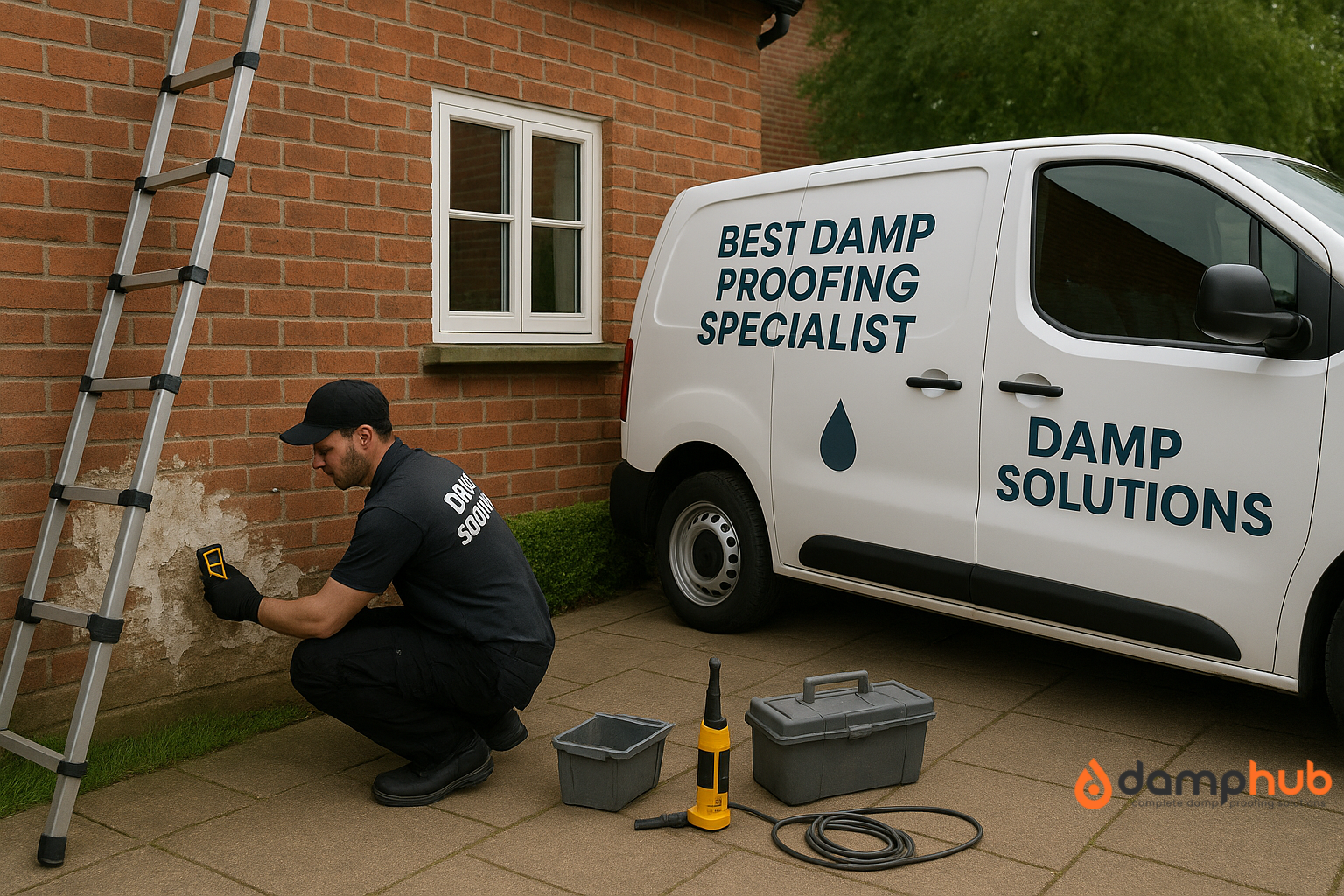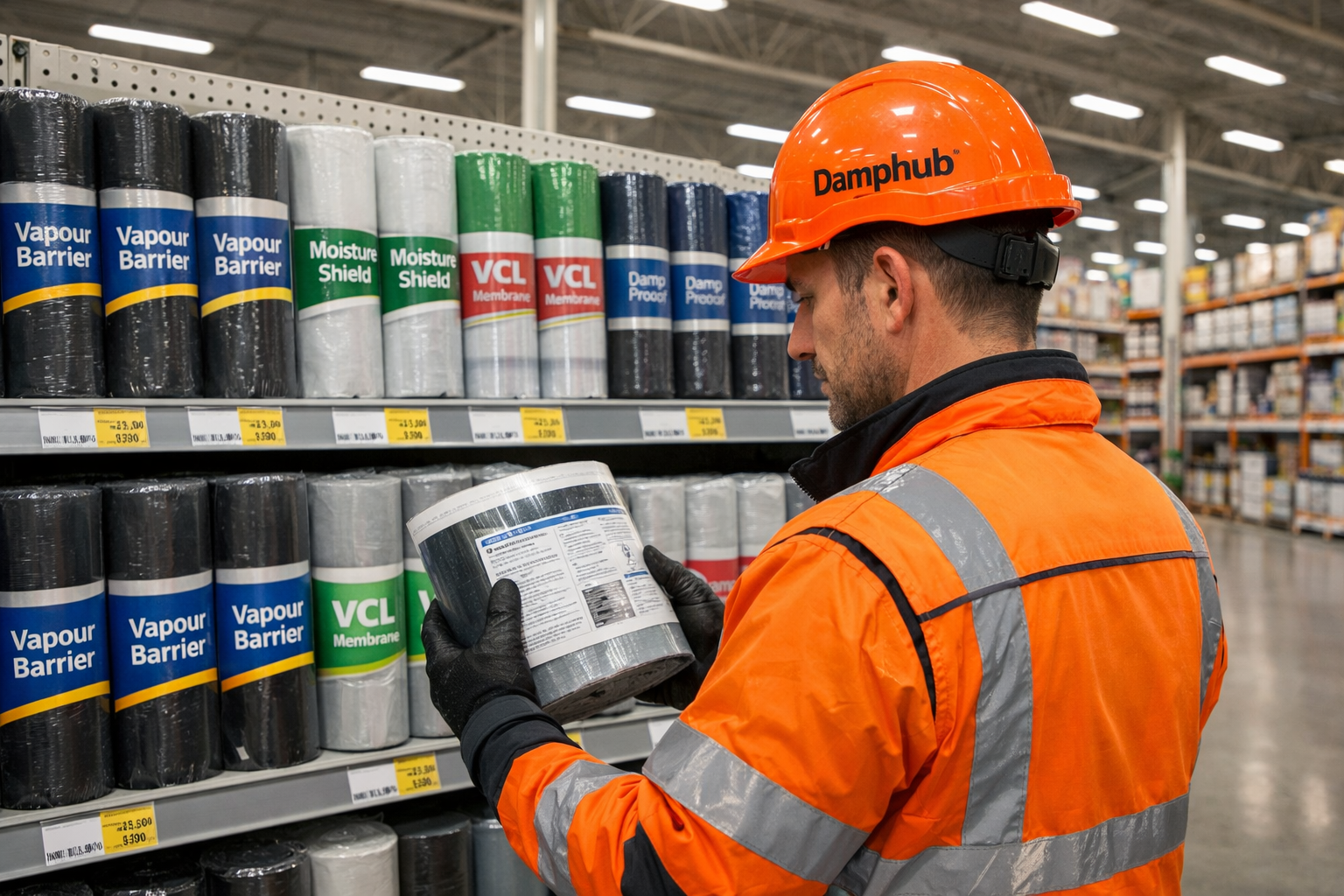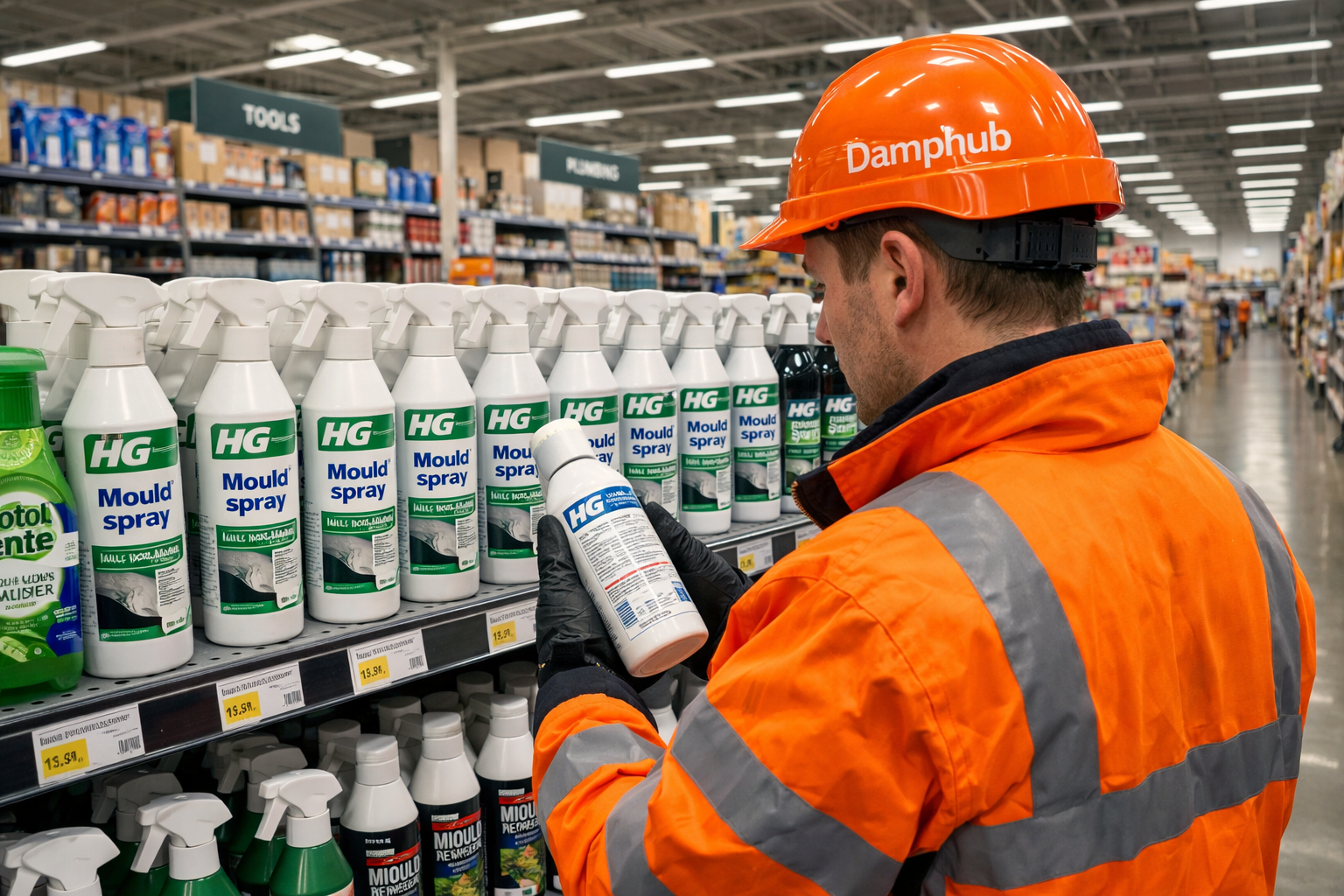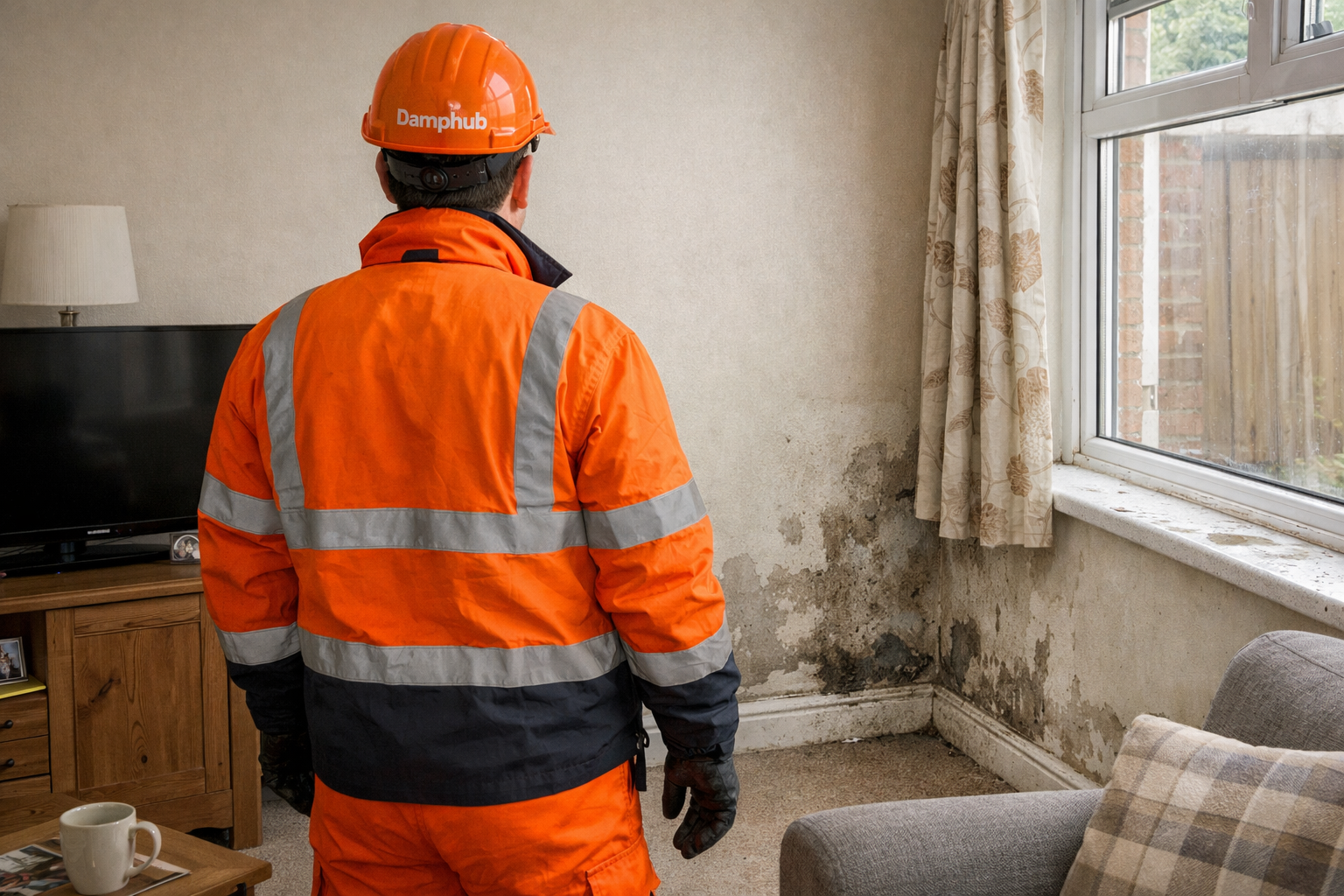
Damp is something many people in the UK have dealt with. You might see it on walls, smell it in a room, or notice mould creeping back after cleaning.
It shows up in old homes, newer builds, rentals, and owned properties. Cold weather often makes it worse, especially when windows stay shut and heating is limited.
But most people ask the same question: how common is damp in UK houses?
This article answers this exact question. It uses figures, but it also reflects what people actually experience in their homes.
How Common Is Damp in UK Houses?
Damp is found across the country. It affects cities, towns, and rural areas alike. Housing surveys suggest that around 5% of homes in England have a serious damp issue.
That figure represents roughly 1.3 million households. In simple terms:
- Around 1 in 20 homes has a confirmed damp defect
- The issue cuts across different property types
And these are only the cases that meet inspection standards.
This level of damp means many households are dealing with moisture-related issues without realising it at first. What begins as light condensation often turns into a persistent problem if left untreated.
In many cases, people assume that dampness is normal, especially during colder months. That belief delays action and allows the problem to spread further through walls, ceilings, and floors.
You may also want to read: Damp Proofing UK: Costs, Rules, and What You Need to Know
Why Official Numbers Miss a Lot of Damp
Official surveys focus on what can be seen and measured. That creates limits.
Damp problems that are:
- Seasonal
- Slowly developing
- Hidden behind furniture often go unrecorded.
When people are asked directly, the picture changes. Around one-third of households report having dealt with damp, condensation, or mould at some point. Winter is when it shows up most.
So while fewer homes qualify on paper, real-life experience suggests damp is far more common.
Many inspections take place during warmer or drier periods. At those times, damp signs can fade or appear less serious, even though the issue returns later.
Some households also clean or repaint affected areas before inspections. This hides visible signs and prevents the problem from being formally recorded.
How Damp Levels Have Shifted Over Time
There was a period when damp became less common. This was mainly from the late 1990s to the early 2010s.
During that time, homes benefited from:
- Improved insulation
- Better ventilation
- Increased housing investment
Since around 2019, reports show a gradual rise again.
Key reasons include:
- Repairs being delayed
- Higher energy costs
- People are heating their homes less
All of this allows moisture to build up more easily.
Housing conditions are closely linked to household behaviour. As heating becomes more expensive, people adapt in ways that unintentionally increase moisture indoors.
Shorter heating periods and closed windows reduce airflow. This creates ideal conditions for damp to develop, especially in bedrooms and bathrooms.
How Common Is Damp in UK Houses: Private Rented Homes
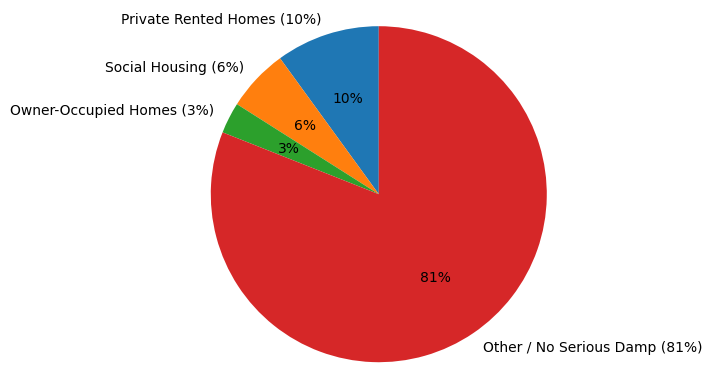
Private rentals report the highest levels of damp.
Current figures show:
- 9–11% of privately rented homes have recorded damp problems
That means roughly one in ten tenants is living with serious damp.
The real number is likely higher. Some issues are missed during inspections, and many tenants avoid reporting problems.
Tenants often feel uncertain about reporting damp. Some worry about rent increases, while others fear eviction or ignored complaints.
Short-term leases also play a role. Problems may be present, but tenants move out before any action is taken, leaving the issue unresolved for the next occupant.
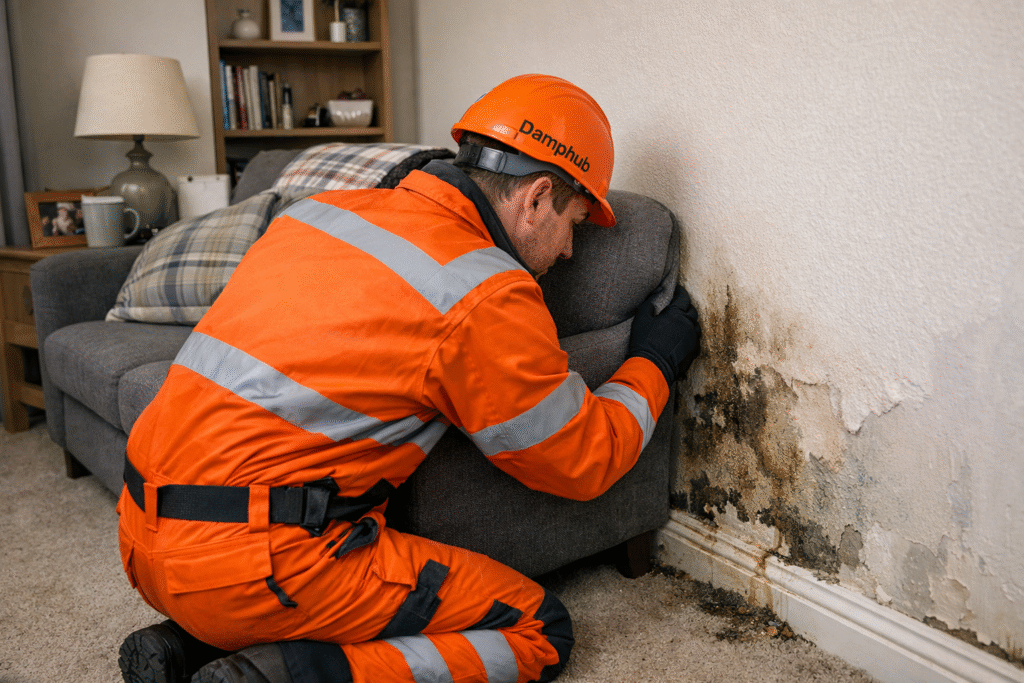
Must read: How Much Does Damp Proofing Cost?
How Common Is Damp in UK Houses: Damp in Social Housing
Social housing has slightly lower levels, but damp remains a concern. Around 5–7% of social rental properties are affected. With the size of this sector, it still accounts for a very large number of households.
Older buildings play a major role. Even with regular maintenance, age makes damp harder to control.
Social housing providers manage large numbers of properties. This can slow response times, even when maintenance systems are in place.
Repairs may focus on visible damage rather than underlying moisture causes. This leads to repeated problems in the same homes.
How Common Is Damp in UK Houses? Damp in Owner-Occupied Properties
Homes that are owner-occupied show the lowest rates. Even so, damp is still present.
Between 2% and 4% of these homes are affected. That still adds up to hundreds of thousands of properties across the UK. The highest risk is found in:
- Older homes
- Buildings constructed before modern damp protection was standard
Homeowners may delay repairs due to cost. Damp treatment, ventilation upgrades, and structural fixes can be expensive.
Some owners also underestimate the seriousness of early signs. By the time action is taken, the damage is often more extensive.
How Building Age Affects Damp
Older buildings are more likely to suffer from damp. Many UK homes were built before 1945. At that time:
- Damp-proof courses were basic or missing
- Materials aged poorly over time
Victorian and Edwardian houses are especially affected. Newer homes perform better, but they are not completely immune.
Older buildings were constructed using materials that absorb moisture more easily. Brickwork and solid walls allow water to pass through over time.
Changes to how these homes are used today also matter. Modern living creates more indoor moisture than older lifestyles did.
How Property Type Plays a Role
Flats tend to experience damp more often than houses. Converted flats are at even greater risk.
Common reasons include:
- Limited airflow
- Shared walls
- Unclear repair responsibility
Basement and ground-floor flats are affected most. These are common in built-up areas.
Shared ownership of buildings can delay repairs. Responsibility for roofs, walls, or drainage is sometimes unclear.
Noise concerns also limit ventilation in flats. Occupants may avoid opening windows, especially at night, which increases moisture buildup.
Dealing with damp and need expert help? Explore our Top 10 Dryzone Damp Proofing Cream Reviews (2026)
How Common Is Damp in UK Houses? Regional Differences Across the UK
Damp is found everywhere, but some regions report more cases. Higher rates appear in:
- Areas with older housing stock
- Places with high rental demand
- Large towns and cities
Rural homes also face problems. Stone-built houses with poor insulation often struggle with moisture.
Weather patterns influence damp levels. Areas with higher rainfall naturally face greater moisture pressure on buildings.
Coastal regions also experience salt-laden air, which can worsen wall and structural moisture over time.
Household Factors That Increase Risk
The way a home is used also matters. Higher risk is linked to:
- Larger households
- Frequent cooking and bathing
- Reduced heating due to cost
Lower-income households face greater exposure, especially in private rentals.
Daily routines shape indoor air quality. Drying clothes indoors, long showers, and frequent cooking all release moisture into the air. Without proper airflow, that moisture settles on cold surfaces, leading to damp patches and mould growth.
Damp Compared to Other Housing Issues
Damp is one of the most commonly reported housing problems in the UK.
While major structural faults are less frequent, damp affects far more homes. It is also a leading cause of disputes between tenants and landlords.
Damp often develops quietly. Unlike sudden damage, it builds up over months or years, making it harder to spot early. This slow progression explains why it appears so often during inspections and tenant complaints.
More from us: Damp Proofing Birmingham: 10 Best Companies You Can Trust
How Common Is Damp in UK Houses? What the Evidence Points To
Damp is not rare. It is not limited to a small group of homes.
Whether you look at inspections or personal reports, the message is the same. Damp remains a widespread issue across UK housing.
Different data sources point in the same direction. Damp remains widespread regardless of how it is measured.
Both official records and personal accounts confirm that the issue affects a significant share of UK households.
Conclusion: How Common Is Damp in UK Houses?
Damp continues to affect a large number of UK homes. Official figures suggest one in twenty households has a serious issue. Personal reports suggest the number is much higher.
The problem appears most often in:
- Private rentals
- Older buildings
- Flats and conversions
Still, no housing type is completely protected. Damp remains a common feature of the UK housing experience.
Damp affects comfort, health, and long-term property condition. It also places pressure on tenants, owners, and housing providers alike.
Without early action, minor moisture issues often grow into serious housing problems that are harder and more expensive to fix.