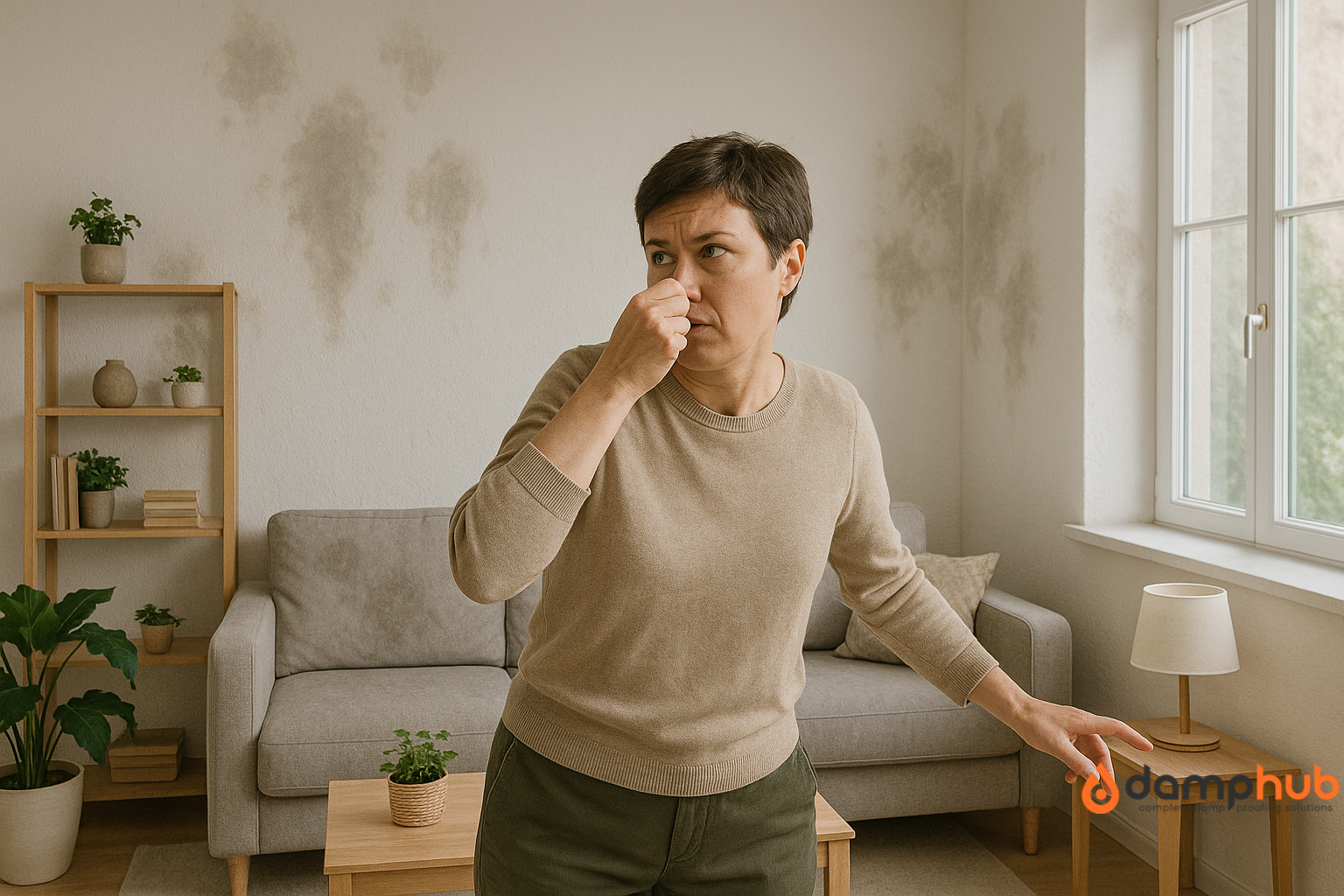
Is it healthy to live in a damp house? Many people ask this question quietly. Sometimes, late at night or after another morning of wiping water off the windows.
It’s not usually a loud question. It comes as a thought you push aside. A concern you tell yourself you’ll deal with later. Life is already busy. Rent needs paying. Kids need feeding. Work needs doing.
So let’s answer it honestly. Living in a damp house is not healthy, especially over a long period. Damp conditions affect the air you breathe, the way your body reacts, and even how you feel day to day, both physically and mentally.
This article breaks down what really happens when you live in a damp home, how it affects your health, and why it’s something you should never brush off.
Our other guide you might find helpful: 10 Best Fan Heaters for Damp and Cold Homes 2026
What Is Considered a Damp House?
A damp house is any home where excess moisture builds up and does not escape properly.
This moisture may come from the ground, the walls, leaking pipes, poor ventilation, or daily activities like cooking and showering. Even breathing adds moisture to the air. In a well-ventilated home, that moisture leaves. In a damp one, it stays.
Common signs include:
- Condensation on windows every morning
- Cold, wet-feeling walls
- Peeling paint or bubbling plaster
- Musty or earthy smells
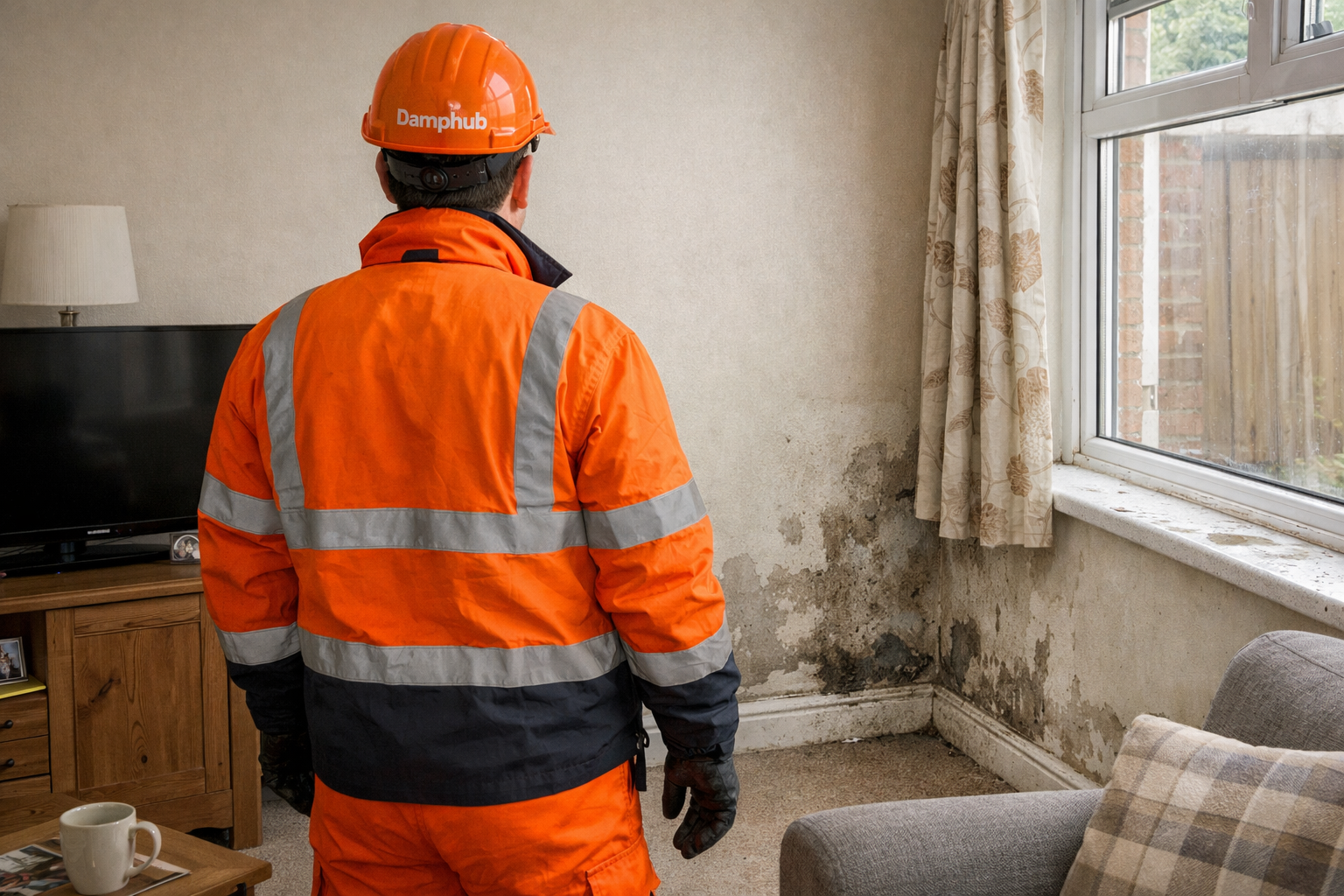
- Mould patches on walls, ceilings, or behind furniture
Sometimes, damp hides. Behind wardrobes. Under carpets. Inside walls. You may not see it straight away, but your body still reacts to it.
You don’t need to see large mould patches for a home to be damp. High indoor humidity alone is enough to cause health problems.
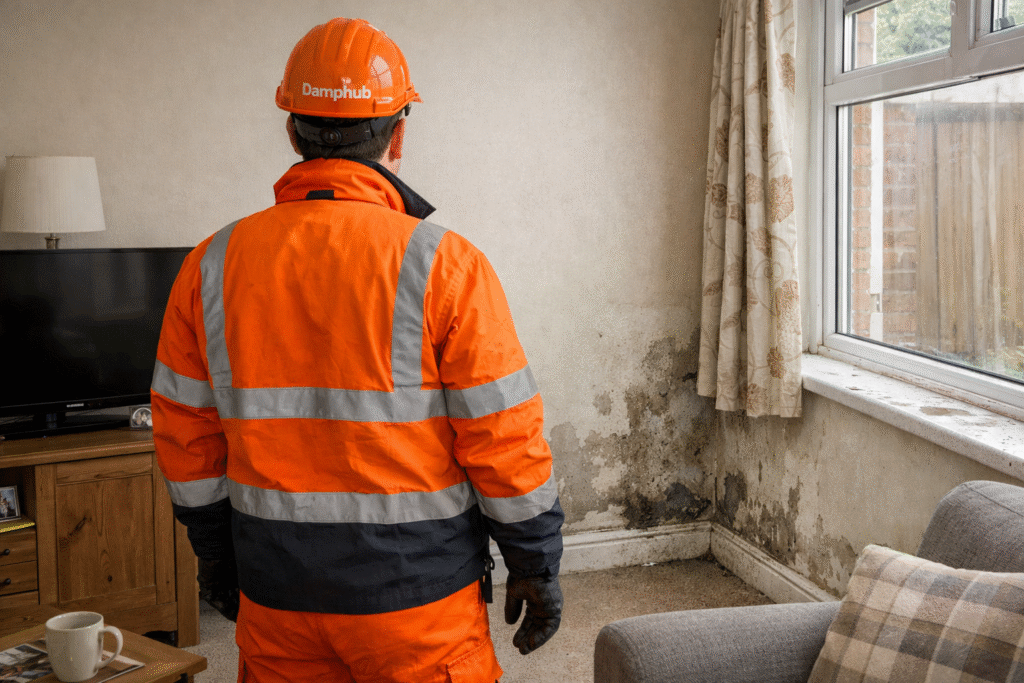
Is It Healthy to Live in a Damp House?
If you are also asking, ‘Is it healthy to live in a damp house?’ The answer is NO. And the evidence is clear. Living in a damp house increases the risk of breathing problems, infections, allergies, and long-term respiratory issues. It can also affect mental well-being, sleep quality, and overall comfort in ways people often underestimate.
The human body is not built to live in cold, moist air for long periods. When it does, stress builds inside the system. Your lungs work harder. Your immune system stays on alert. Your body never fully relaxes.
Some people feel the effects quickly. Others take months or years. That delay is what makes damp so easy to dismiss. Either way, damp living conditions are harmful.
Health Problems Caused by Living in a Damp House
Damp homes affect different people in different ways, but certain health issues appear again and again.
Breathing Problems and Lung Health
This is the most common issue.
Damp air carries mould spores, bacteria, and dust mites. These particles float in the air. You breathe them in without thinking. Every day. Every night.
Over time, people may develop:
- Persistent coughing
- Wheezing
- Shortness of breath
- Chest tightness
- Frequent chest infections
For some, symptoms are mild but constant. For others, they become severe and disruptive.
People with asthma often find their symptoms become harder to control in damp homes. Inhalers get used more often. Attacks become more frequent. Nights become restless.
Some people develop asthma-like symptoms even if they never had breathing problems before. Children are especially vulnerable because their lungs are still developing.
Damp Houses and Mould-Related Allergies
Mould thrives in damp conditions. Once present, it releases spores into the air, often in huge numbers. These spores can trigger allergic reactions such as:
- Sneezing
- Itchy eyes
- Runny or blocked nose
- Sinus pressure
- Headaches
Many people mistake these symptoms for a cold or seasonal allergies. They take tablets. Use sprays. Wait for it to pass. The clue is this: symptoms often improve when you leave the house and return when you come back. That’s not random.
Can Damp Homes Cause Infections?
Yes. Living in a damp environment weakens the body’s natural defences. Cold, moist air stresses the immune system, making it harder to fight off illness. Your body is always playing catch-up.
This can lead to:
- Repeated colds
- Bronchitis
- Sinus infections
- Chest infections
Recovery also tends to take longer. People feel run-down more often. Energy levels drop. Illness becomes part of normal life rather than an occasional disruption.
Skin Conditions Linked to Damp Housing
Damp homes don’t just affect your lungs. Skin problems are also common and often overlooked. High moisture levels can cause or worsen:
- Eczema
- Fungal infections
- Rashes
- Itchy or irritated skin
Clothes, bedding, and towels that never fully dry can carry fungi and bacteria. Wearing them keeps skin problems active, even when treatment is used. People often blame soaps or food. The environment rarely gets considered.
Also, explore our other guide: 10 Best Damp Proof Membranes for UK Homes (2026 Buyer’s Guide)
Is It Healthy to Live in a Damp House? Mental Health Effects
This part often gets ignored. Living in a damp home can affect your mental health in subtle but serious ways. People describe feeling:
- Low or flat
- Irritable
- Anxious
- Embarrassed about their home
- Unable to relax properly
There’s the constant smell. The cold air. The feeling that your space isn’t clean, even when you try your best. Poor sleep is common. Cold rooms. Heavy air.
A constant damp smell lingering in the background. Over time, it wears people down. A home should feel safe. When it doesn’t, stress builds quietly.
Is It Healthy to Live in a Damp House? Effects on Children
Children are more affected than adults. They breathe faster. They spend more time indoors. They play close to the floor where moisture and mould are often worst.
Health risks for children include:
- Childhood asthma
- Ongoing coughs
- Frequent chest infections
- Missed school days
Children may not explain how they feel clearly. A cough at night. A runny nose that never clears. Tiredness that looks like bad behaviour.
Long-term exposure during childhood can increase the risk of breathing problems later in life. This isn’t about panic. It’s about prevention.
Can You Live in a Damp House Without Getting Sick?
Some people do. At least for a while. Bodies respond differently. Age, genetics, existing health conditions, and lifestyle all matter.
But even if symptoms are mild or delayed, long-term exposure still puts strain on the body. Damage doesn’t always show itself immediately.
Problems often appear during winter, illness, or periods of stress. What felt manageable suddenly isn’t. That’s when many people finally connect the dots.
Want more from us? Explore Can a Damp House Make You Sick?
Common Causes of Damp in Houses
Damp is not rare. Many homes struggle with it. Common causes include:
- Poor ventilation
- Older buildings
- Leaking roofs or pipes
- Cracked external walls
- Poor insulation
- Drying clothes indoors
- Bathrooms without extractor fans
Renters are often limited in what they can change. Homeowners may not notice issues until damage becomes visible. Damp is a building problem, not a personal one.

Early Signs of Damp You Should Not Ignore
Small signs matter. Ignoring them allows bigger problems to form. Watch out for:
- Condensation every morning
- Mould returning after cleaning
- Musty smells that never fully go
- Cold, clammy walls
- Paint or wallpaper peeling
These are not cosmetic issues. They are warnings. Your home is giving warnings. Listening early protects your health.
Is It Healthy to Live in a Damp House? How to Reduce Health Risks
Moving is not always possible. That’s real life. If you’re currently living in a damp home, small actions can still help reduce health risks.
Improve Ventilation
Open windows daily, even for short periods. Fresh air matters more than people realise. Use extractor fans when cooking or showering. If they don’t exist, push for them. Air movement helps moisture escape.

Reduce Moisture Build-Up
Dry clothes outdoors where possible.
Use lids when cooking.
Wipe condensation from windows and walls.
These habits lower indoor humidity and reduce the conditions that damp needs to thrive.
Keep the Home Warm
Warm air holds moisture better than cold air. Keeping rooms evenly heated reduces condensation and slows mould growth. Cold rooms invite damp. Even small temperature increases can help.
Deal With Mould Safely
Small patches can be cleaned with care, using gloves and good airflow. Never dry-brush mould. Never ignore it. But remember. Cleaning does not fix the root cause.
Related guide: What Happens If You Live in a Damp House?
When Damp Becomes a Serious Health Concern
You should take damp seriously if:
- Symptoms improve when you leave the house
- Children cough or wheeze at night
- Asthma becomes harder to manage
- Chest infections keep returning
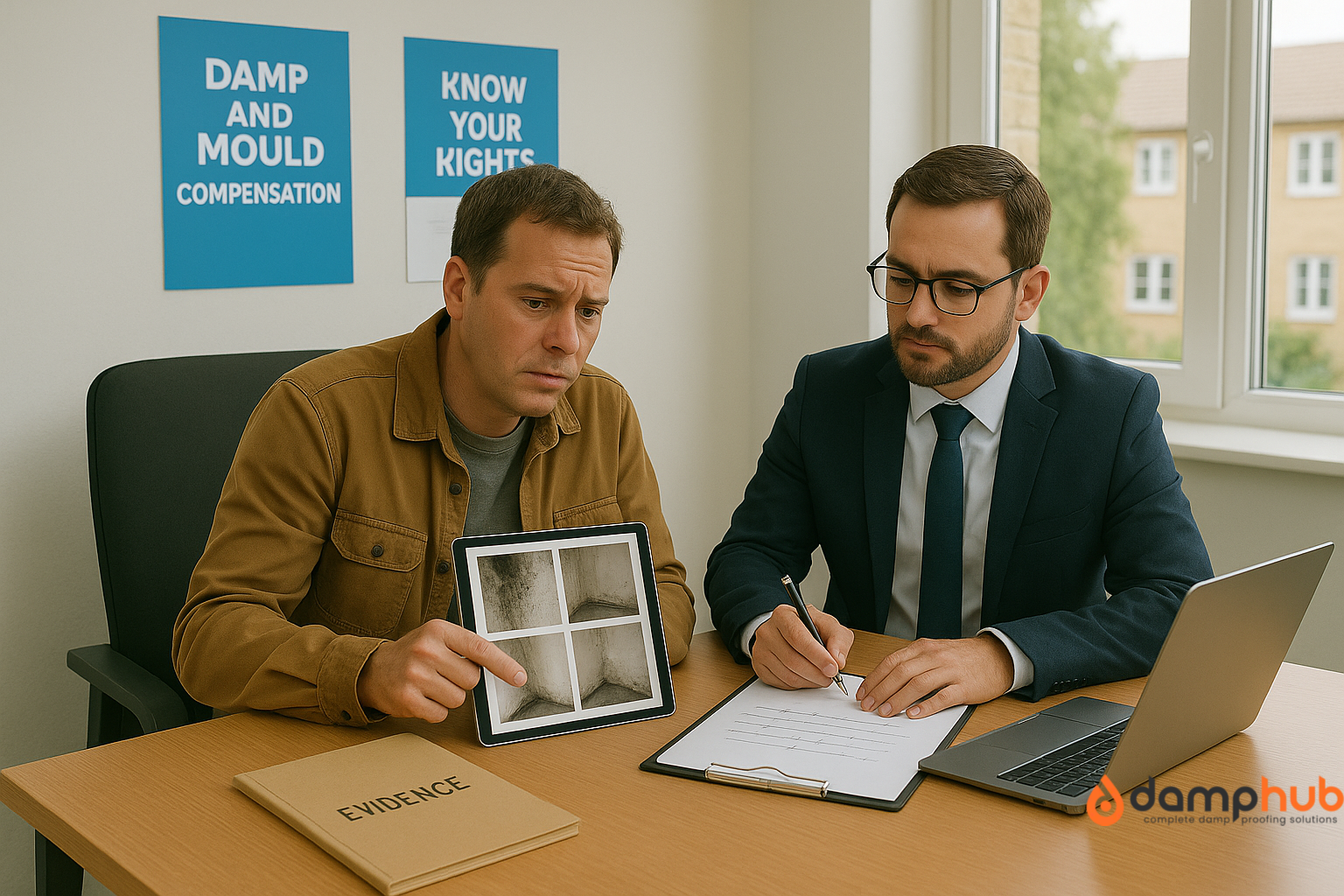
Speak to a medical professional. Describe your living conditions clearly. If renting, document the condition. Photos help. Dates help. Written communication helps. Your health concerns are valid.
Final Thoughts: Is It Healthy to Live in a Damp House?
So ‘Is It Healthy to Live in a Damp House?’ No. And it’s okay to say that clearly.
Living in a damp house affects breathing, immunity, skin, and mental well-being. Some people feel it fast. Others feel it slowly. But the impact is real. If you’re dealing with dampness, you’re not imagining things.
Dry homes support health. Damp homes slowly work against it. If you can improve ventilation, reduce moisture, or push for repairs, those steps matter more than they seem. Your home should help you rest, recover, and feel safe. If it doesn’t, something needs to change.